1
/
of
1
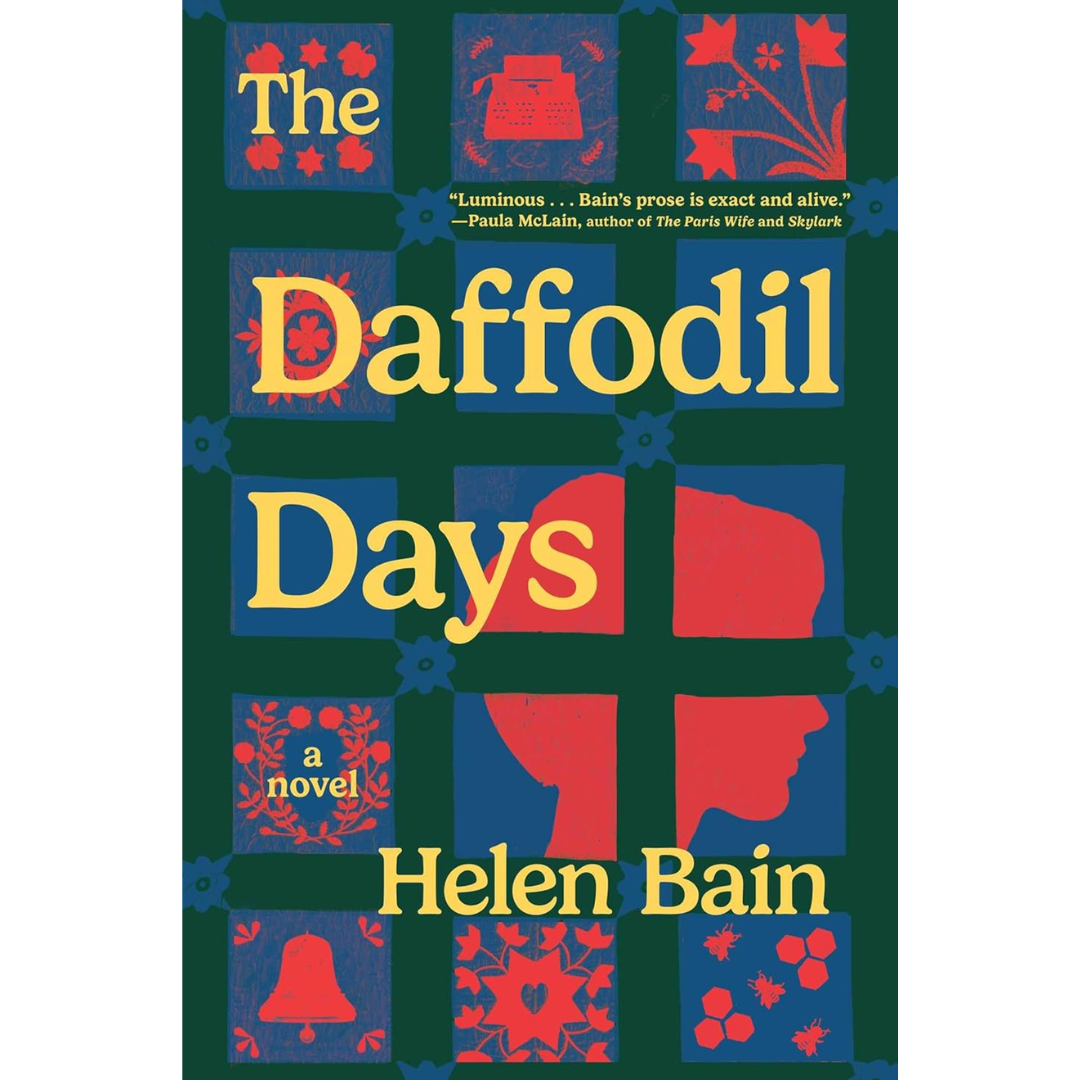
The Daffodil Days By Helen Bain
Regular price
Dhs. 25.00
Sale price
Dhs. 25.00
Regular price
Dhs. 150.00
Unit price
/
per
Sale
Sold out
Shipping calculated at checkout.
Only 0 units left
Couldn't load pickup availability
-
Vendor:
Wide Genre
Description
A gripping collection of propulsive, psychologically suspenseful stories by the legendary Joyce Carol Oates “who is surely on any shortlist of America’s greatest living writers” (The New York Times Magazine)
“A genius in the truest sense of the word.”—Rebecca Makkai
“One of the greatest writers among us today.”—Gillian Flynn
Frenzy (noun): a temporary madness; a violent mental or emotional agitation; intense usually wild and often disorderly compulsive or agitated activity
Joyce Carol Oates is a master of the short story and one of the legends of the form. Her collections of short fiction have twice been finalists for the Pulitzer Prize and have won numerous awards, including the O. Henry Award and the PEN/Malamud Award for Excellence in the Art of the Short Story. In The Stories, Oates plunges us into the lives of her characters at moments of crisis and confusion, when much of what they understand about themselves and those they love comes undone.
A young woman on a supposedly romantic weekend trip to Cape May, New Jersey, turns the tables on her older, married lover. A freak bicycle accident on a bridge haunts one family for decades. A girl jealous of her popular cousin discovers she is the lucky one. A widow waits at her riverside house for her dead husband's return. A young man hiking in the woods comes upon a couple in a heated, possibly violent argument—should he intervene?
Suspenseful and psychologically astute, Oates's short stories enthrall and captivate as they dissect her character's deepest fears—revealing our own in turn. "Literature is a texture of words," says Oates of her short fiction, "evoking life in the most vivid ways—psychologically, physically." These new stories blazingly evoke life at its most vivid and perilous, when fate and free will intersect, and one ominous encounter or bad choice can be the difference between an ordinary day and the point of no return.
“A genius in the truest sense of the word.”—Rebecca Makkai
A stunningly inventive and poignant historical novel that follows Sylvia Plath through the final year of her life, told through the eyes of the people who knew her during her time in the English countryside.
In the early 1960s in a small English town, the church bells ring. The people go about their days, catching glimpses of one another.
There’s the local doctor, who knows more about his patients than he would sometimes prefer. There’s the young assistant at the dress shop, who understands that the ladies who come there for a new outfit are often hoping to find a new self. There are the men who ring the tower bells at the church three times a week, the notes, harmonious and clashing, rippling out across the rooftops of the town.
Among all these lives, one young couple moves into focus. New to the town with their small daughter, they have escaped London for a quieter existence at Court Green, the thatched house beside the church. The life they intend to build—out of secondhand furniture stenciled with hearts and flowers, expertly cooked suppers for weekend guests, and devotion to the work that matters to them both—will be a good and happy one.
The Daffodil Days depicts a pivotal year in the marriage of 20th-century literature’s most infamous couple, primarily the wife: Sylvia Plath. It is a kaleidoscopic portrait of this enigmatic writer, refracted through the rich inner lives of a rural community caught, if only for a moment, in her light. Here, Sylvia is capable and charismatic, vulnerable but strong, full of spirit.
For fans of literary and historical fiction, The Daffodil Days offers a poignant glimpse of a life reimagined. The lasting impression is not of what breaks us but what binds us: resilience, creativity, and love.
In the early 1960s in a small English town, the church bells ring. The people go about their days, catching glimpses of one another.
There’s the local doctor, who knows more about his patients than he would sometimes prefer. There’s the young assistant at the dress shop, who understands that the ladies who come there for a new outfit are often hoping to find a new self. There are the men who ring the tower bells at the church three times a week, the notes, harmonious and clashing, rippling out across the rooftops of the town.
Among all these lives, one young couple moves into focus. New to the town with their small daughter, they have escaped London for a quieter existence at Court Green, the thatched house beside the church. The life they intend to build—out of secondhand furniture stenciled with hearts and flowers, expertly cooked suppers for weekend guests, and devotion to the work that matters to them both—will be a good and happy one.
The Daffodil Days depicts a pivotal year in the marriage of 20th-century literature’s most infamous couple, primarily the wife: Sylvia Plath. It is a kaleidoscopic portrait of this enigmatic writer, refracted through the rich inner lives of a rural community caught, if only for a moment, in her light. Here, Sylvia is capable and charismatic, vulnerable but strong, full of spirit.
For fans of literary and historical fiction, The Daffodil Days offers a poignant glimpse of a life reimagined. The lasting impression is not of what breaks us but what binds us: resilience, creativity, and love.

“One of the greatest writers among us today.”—Gillian Flynn
Frenzy (noun): a temporary madness; a violent mental or emotional agitation; intense usually wild and often disorderly compulsive or agitated activity
Joyce Carol Oates is a master of the short story and one of the legends of the form. Her collections of short fiction have twice been finalists for the Pulitzer Prize and have won numerous awards, including the O. Henry Award and the PEN/Malamud Award for Excellence in the Art of the Short Story. In The Stories, Oates plunges us into the lives of her characters at moments of crisis and confusion, when much of what they understand about themselves and those they love comes undone.
A young woman on a supposedly romantic weekend trip to Cape May, New Jersey, turns the tables on her older, married lover. A freak bicycle accident on a bridge haunts one family for decades. A girl jealous of her popular cousin discovers she is the lucky one. A widow waits at her riverside house for her dead husband's return. A young man hiking in the woods comes upon a couple in a heated, possibly violent argument—should he intervene?
Suspenseful and psychologically astute, Oates's short stories enthrall and captivate as they dissect her character's deepest fears—revealing our own in turn. "Literature is a texture of words," says Oates of her short fiction, "evoking life in the most vivid ways—psychologically, physically." These new stories blazingly evoke life at its most vivid and perilous, when fate and free will intersect, and one ominous encounter or bad choice can be the difference between an ordinary day and the point of no return.